Real projects, the configuration that was specified, and why that split was chosen — anonymised, without invented numbers.
Plant floors, machine cells and industrial cabinets: wide-temperature switches, ring recovery after a cable fault, and fibre where copper cannot reach.
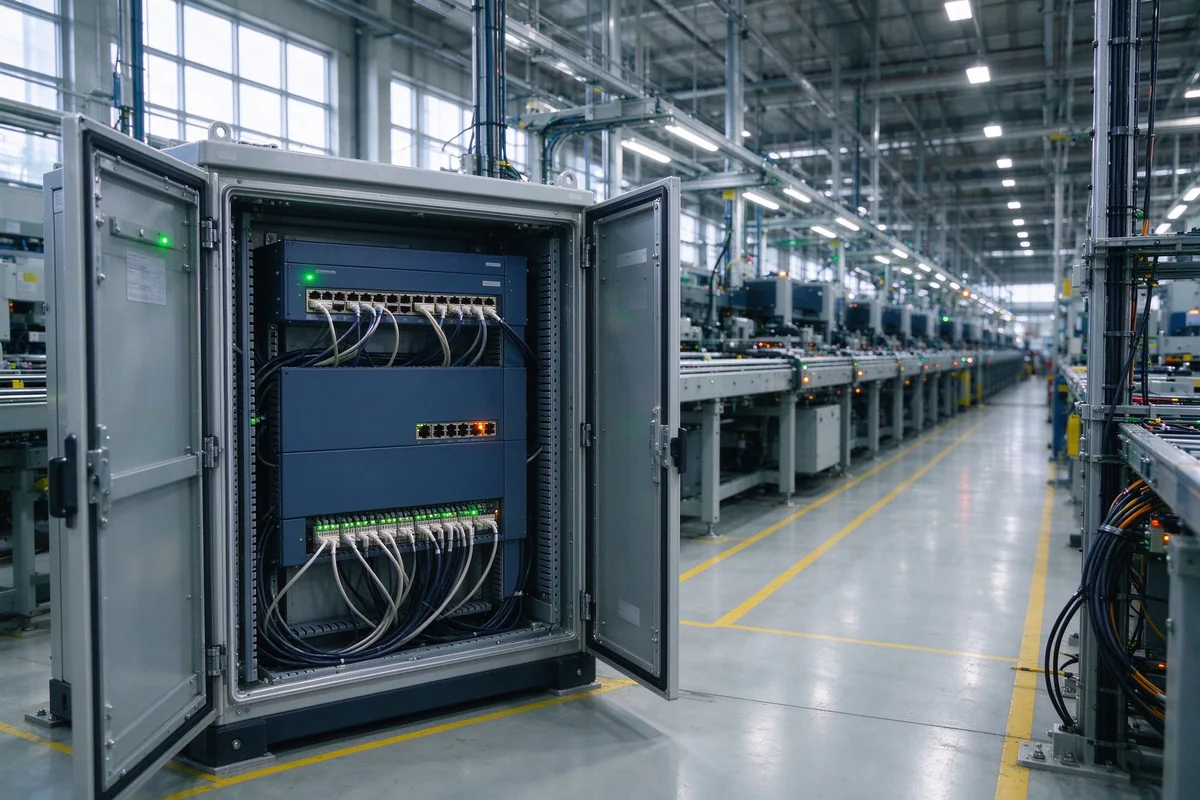
A system integrator automating a plant floor needed switches that survive a cabinet at 55 °C, keep a ring closed after a cable fault, and reach a substation room 400 m away over fibre.
Read the case →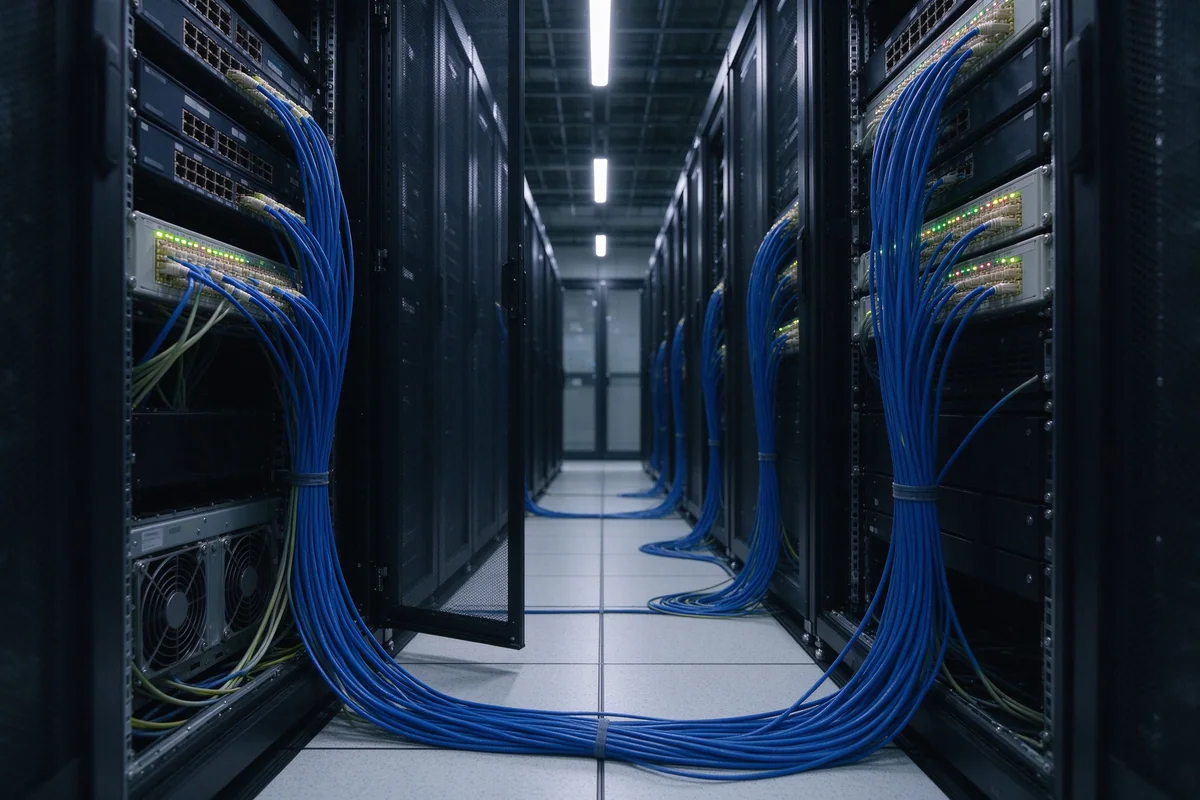
A regional ISP had 1G uplinks saturated by evening traffic and wanted a 10G access layer that could be rolled out rack by rack without replacing the whole estate at once.
Read the case →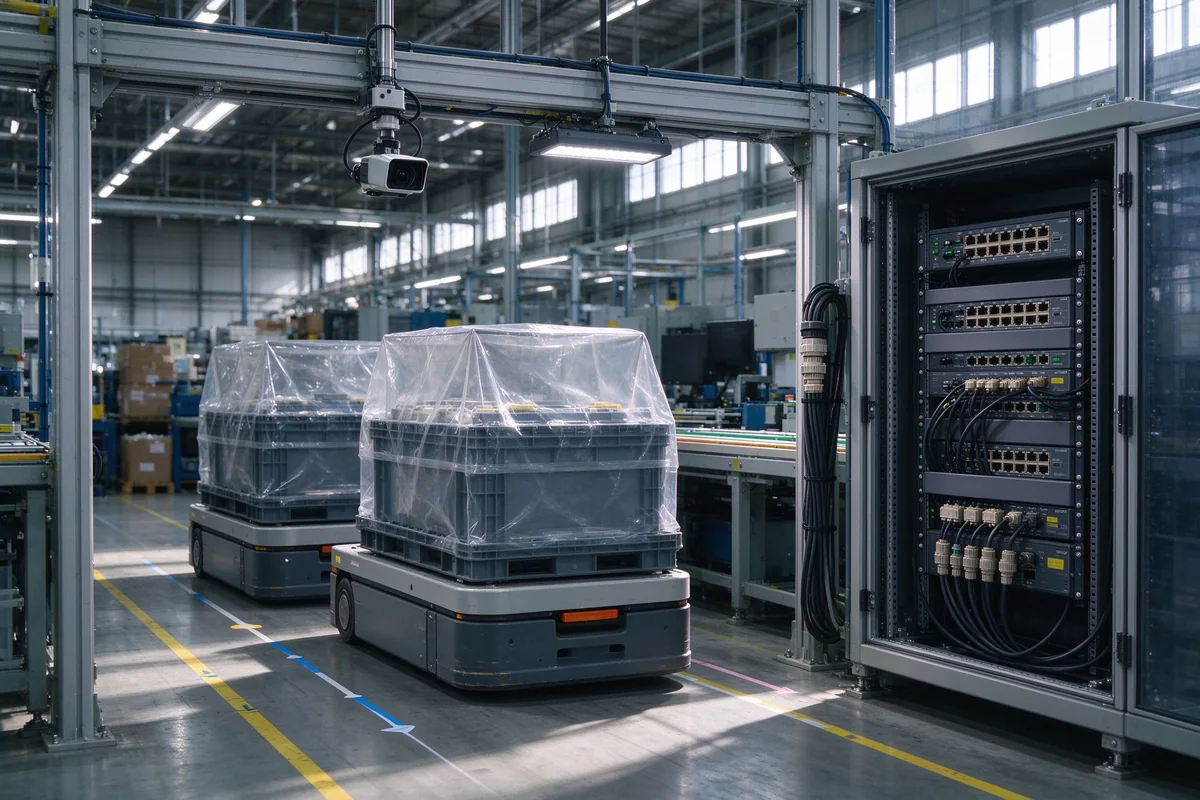
An automotive parts plant moved AGVs down two aisles and ran vision inspection at four cells, each cell on its own unmanaged switch. The rebuild puts AGV traffic, camera images and PLC data on one managed industrial ring, with fibre joining the two production halls where copper could not reach.
Read the case →Roadside, car park, metro and port networks where cameras and controllers sit far apart and the uplink — not the edge — is the real bottleneck.
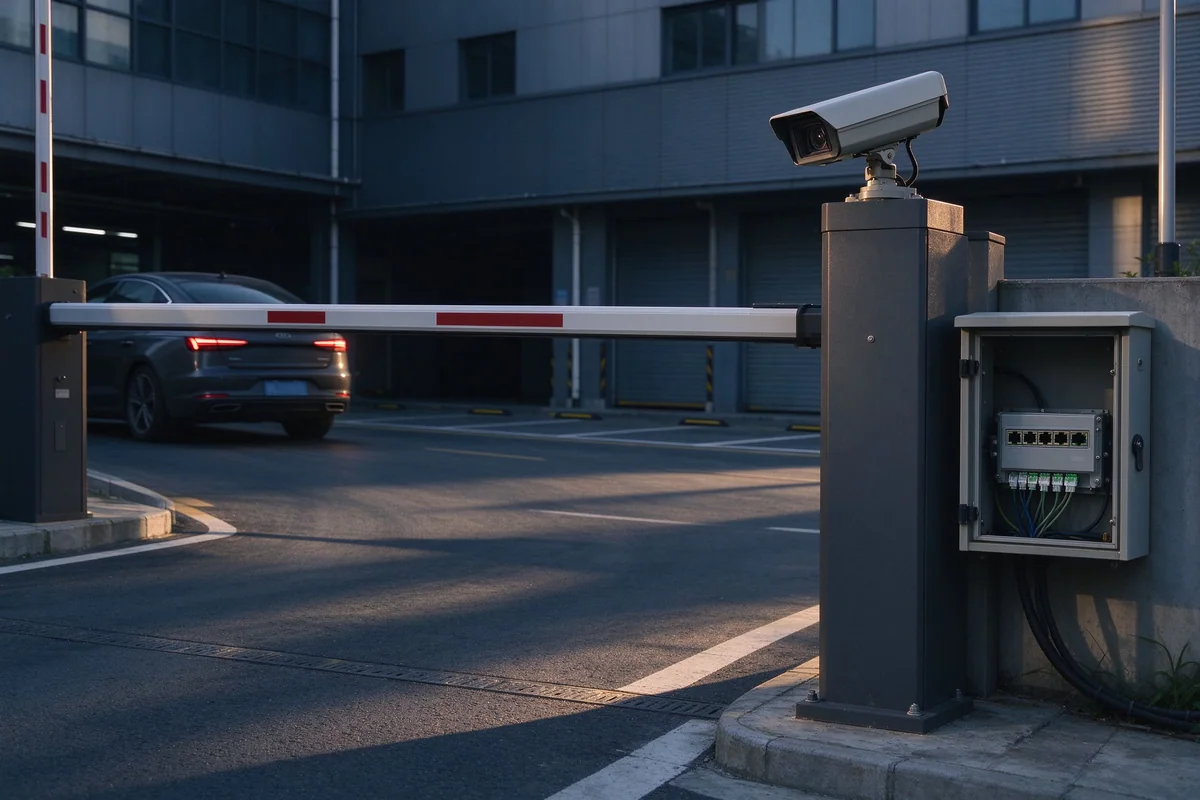
A 600-space car park needed plate-recognition cameras at eight entry and exit lanes, with power at the lane and a single aggregation point in the control booth.
Read the case →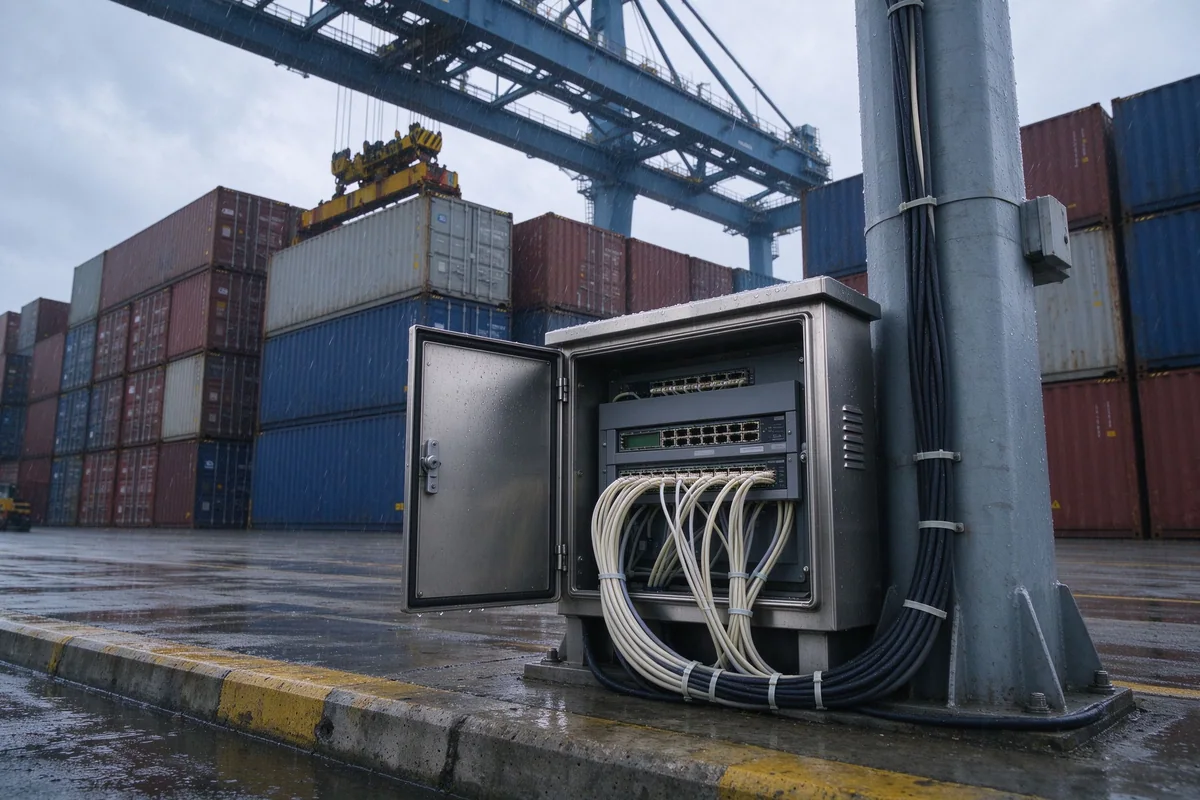
A container yard needed network at 22 RTG positions spread over 1.4 km, with a 40G path back to the yard core and fibre for every long span.
Read the case →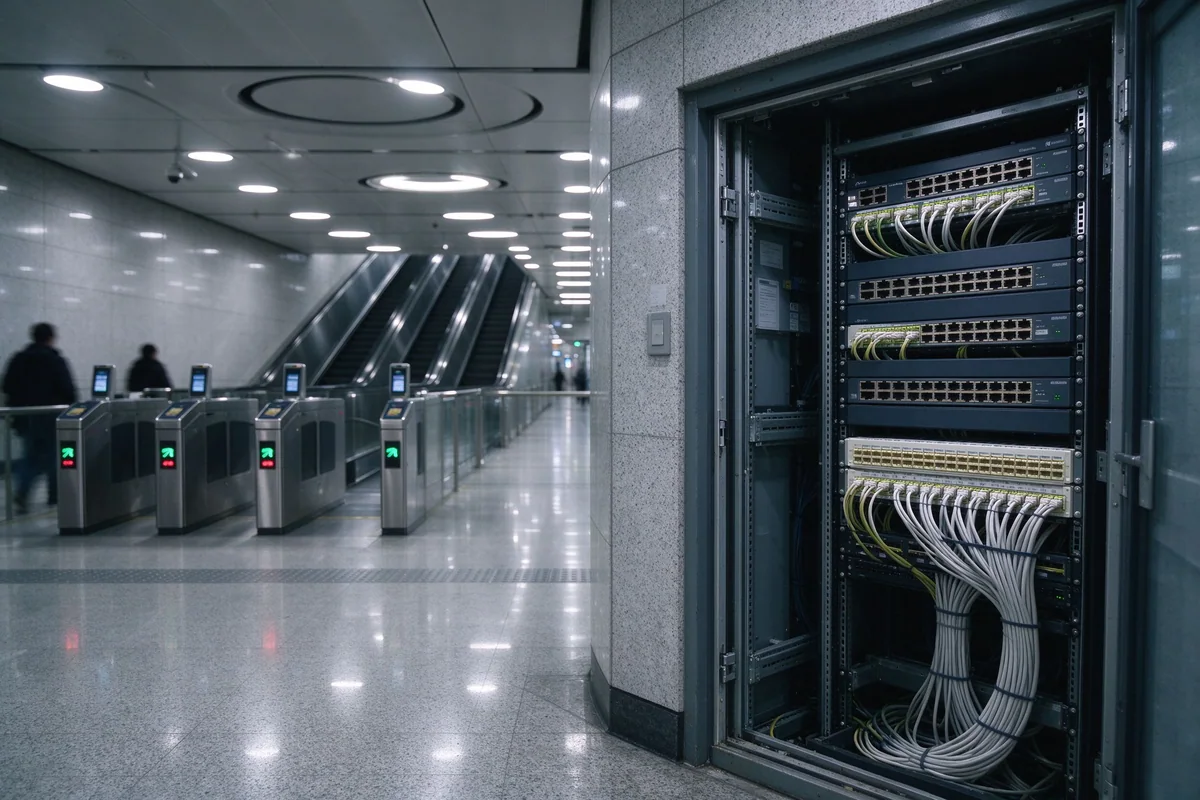
A station refurbishment replaced three separate networks — fare gates, cameras and a new help-point system — with a managed PoE platform and a 10G uplink, keeping the legacy camera cabling alive through media converters instead of re-cabling a platform.
Read the case →Solar, wind and storage sites where cabinets run hot, arrays run far apart and the monitoring link has to stay up unattended.
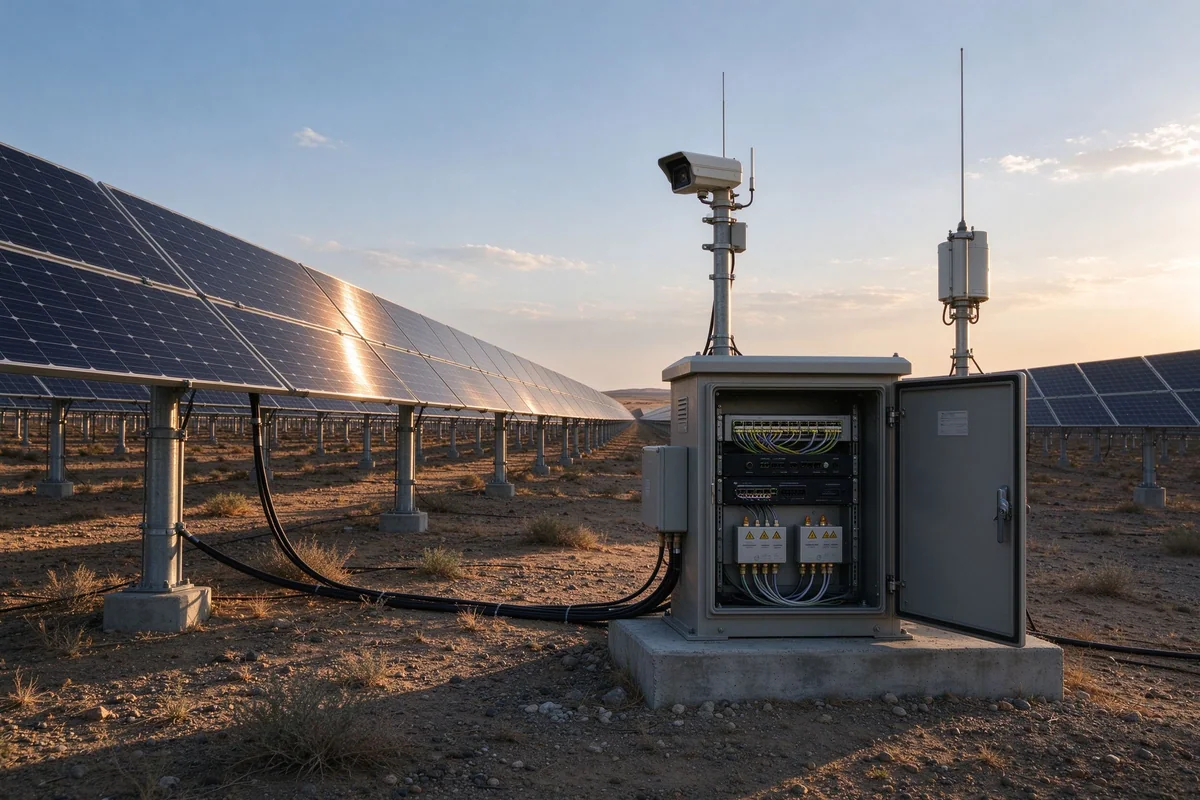
A 12 MW solar site needed network equipment inside inverter cabinets that reach 60 °C, plus camera coverage along 900 m of array rows.
Read the case →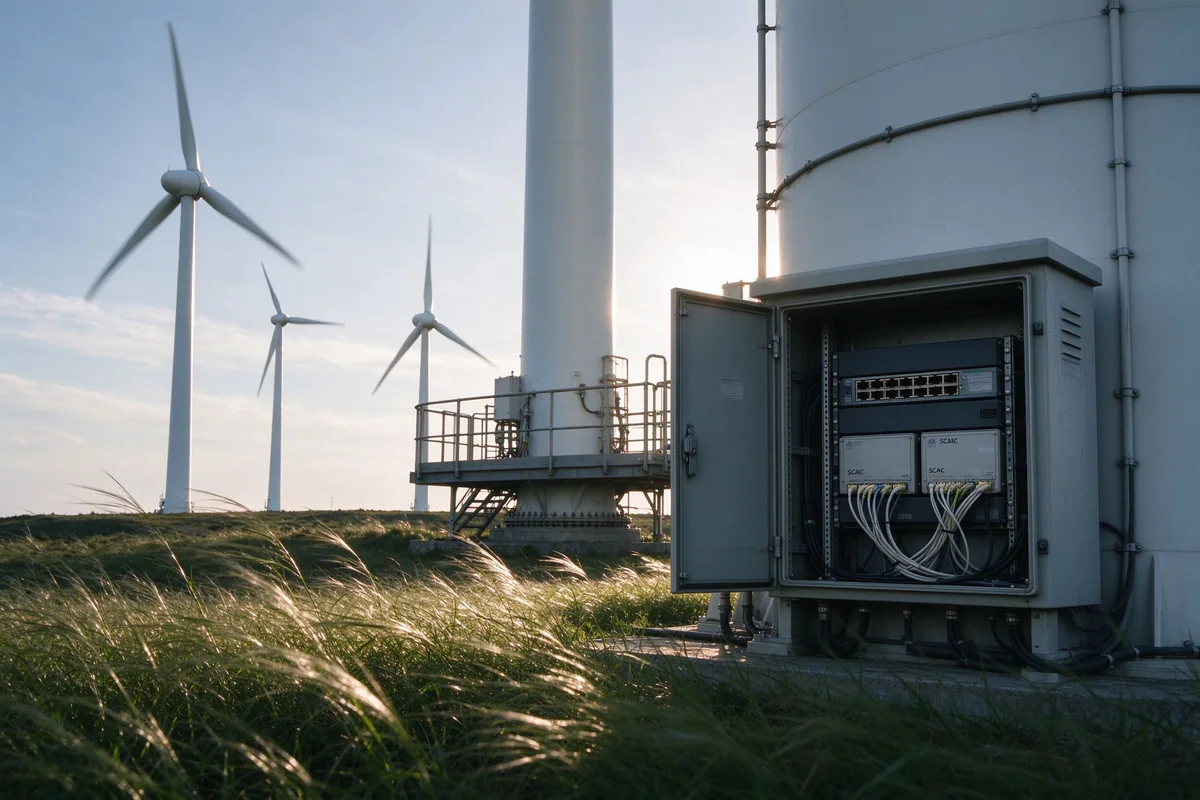
Nine turbines on an exposed ridge were polled over a chain of copper links that failed in winter. Each tower base now has its own industrial PoE switch on a fibre ring, carrying SCADA polling, blade-inspection cameras and a met-mast link back to the substation.
Read the case →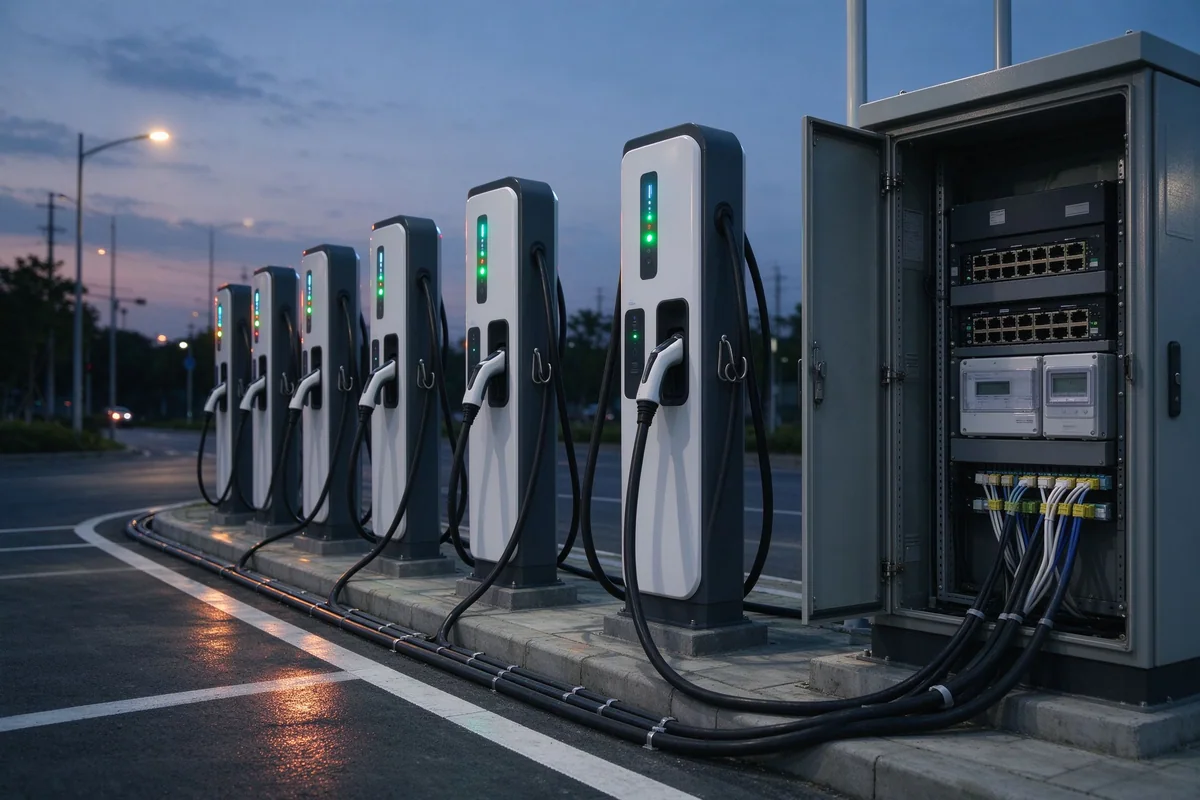
A roadside charging hub with 24 dispensers had payment terminals, cameras and dispenser controllers on one flat network. Industrial PoE switches under each canopy now separate payment, video and dispenser traffic, and a single fibre run carries all of it to the site router.
Read the case →Road, tunnel and venue lighting control: power at the pole, fibre between segments and a schedule that survives a link fault.
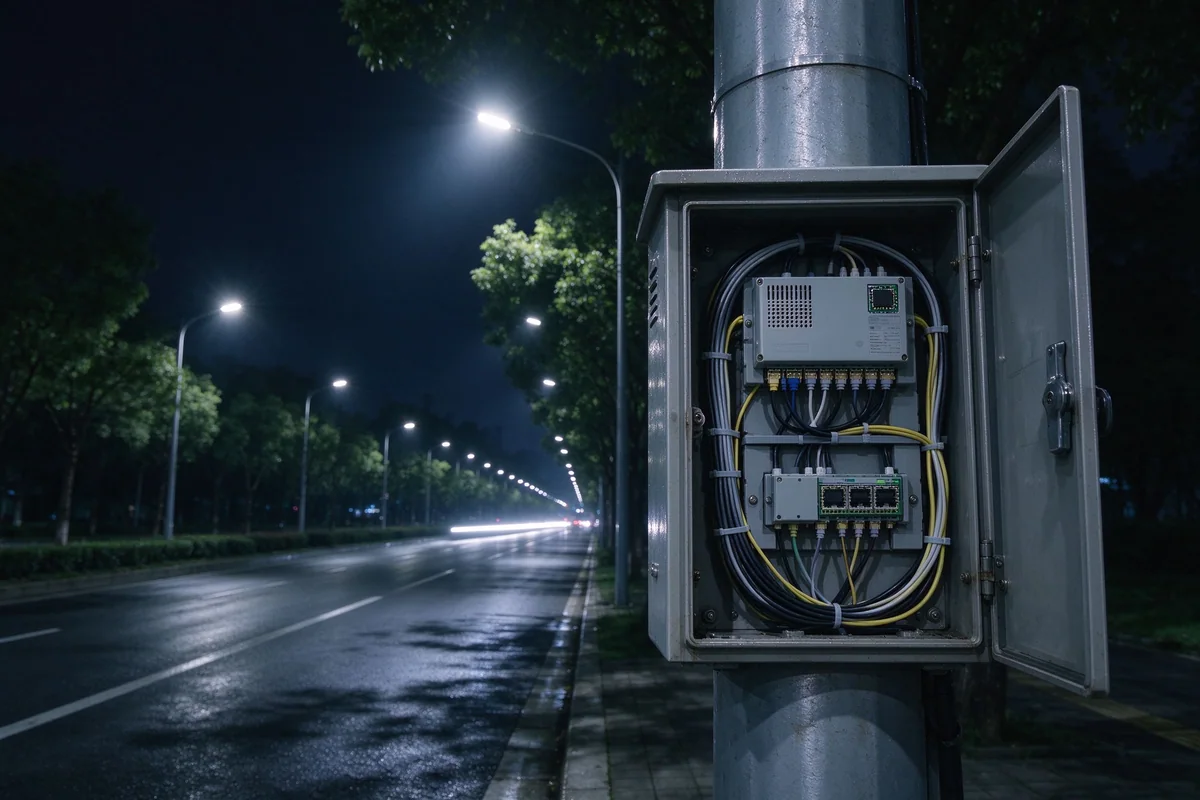
A four-kilometre arterial had 42 lighting controllers on copper back to one depot cabinet. The controllers now sit on a fibre ring with industrial PoE at each cabinet, which also feeds the junction cameras and gives the depot a live view of every segment.
Read the case →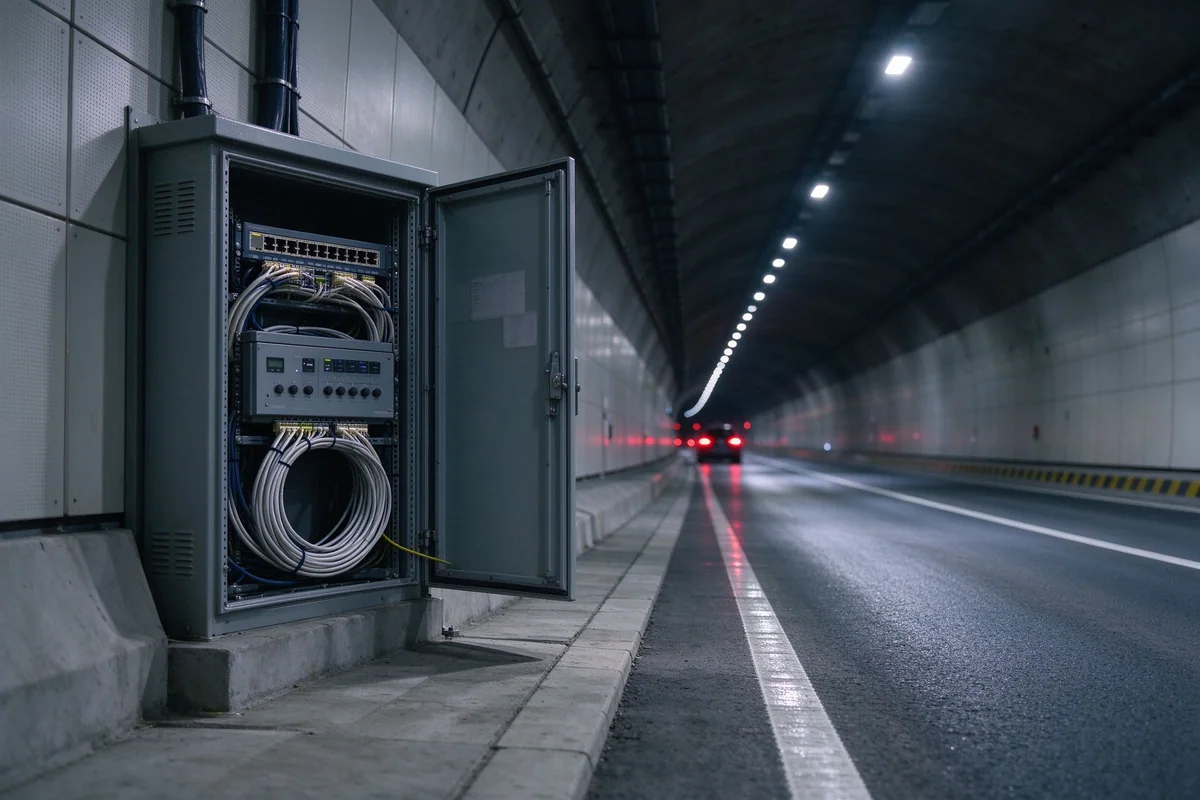
A 1.2 km road tunnel had lighting segments wired back on copper through the cross-passages, and one failed segment dropped a chain of zones. Fibre concentrators in the cross-passages now isolate each segment, so the tunnel dims zone by zone and a fault stays local.
Read the case →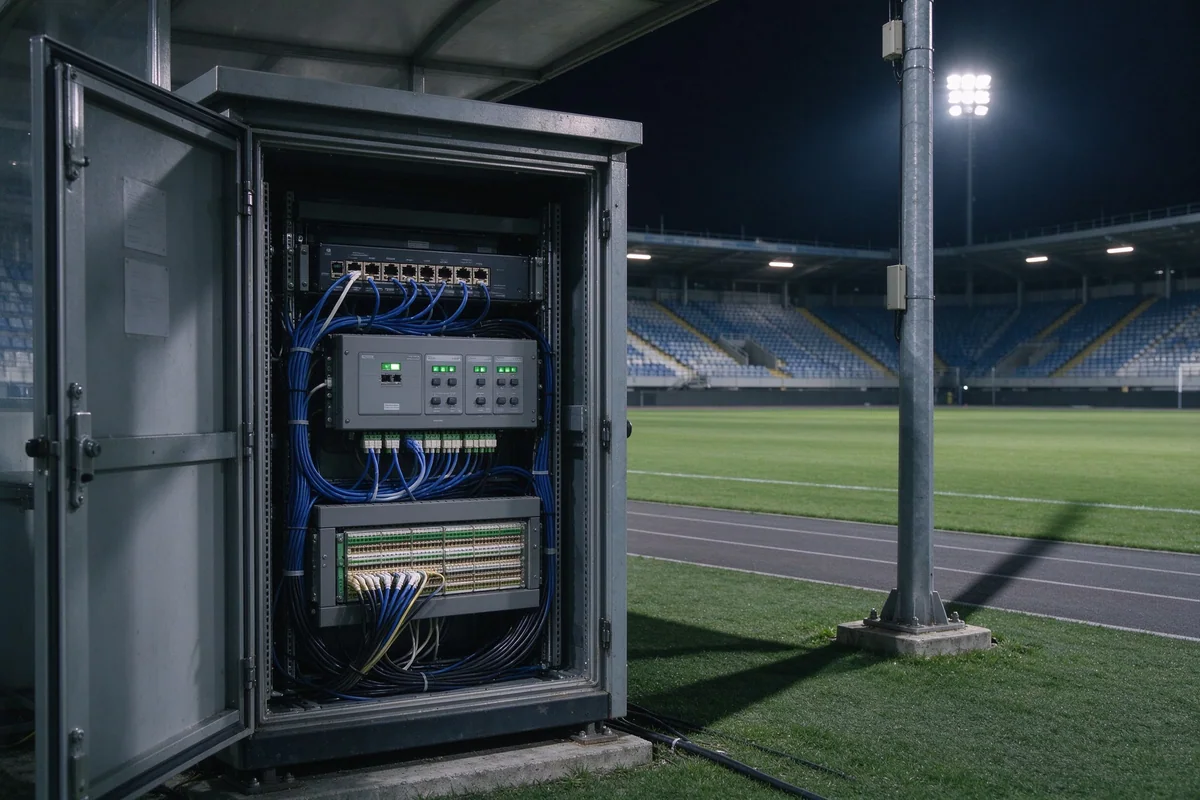
Four floodlight masts each carried a dimming cabinet, and the club also needed gate readers, pitch-side cameras and a broadcast feed. One managed network now carries the presets, the access control and the match-day video, with the broadcast feed on its own VLAN and uplink.
Read the case →Camera networks where the PoE budget, per-port power data and the recorder uplink decide whether the site stays up on a summer evening.
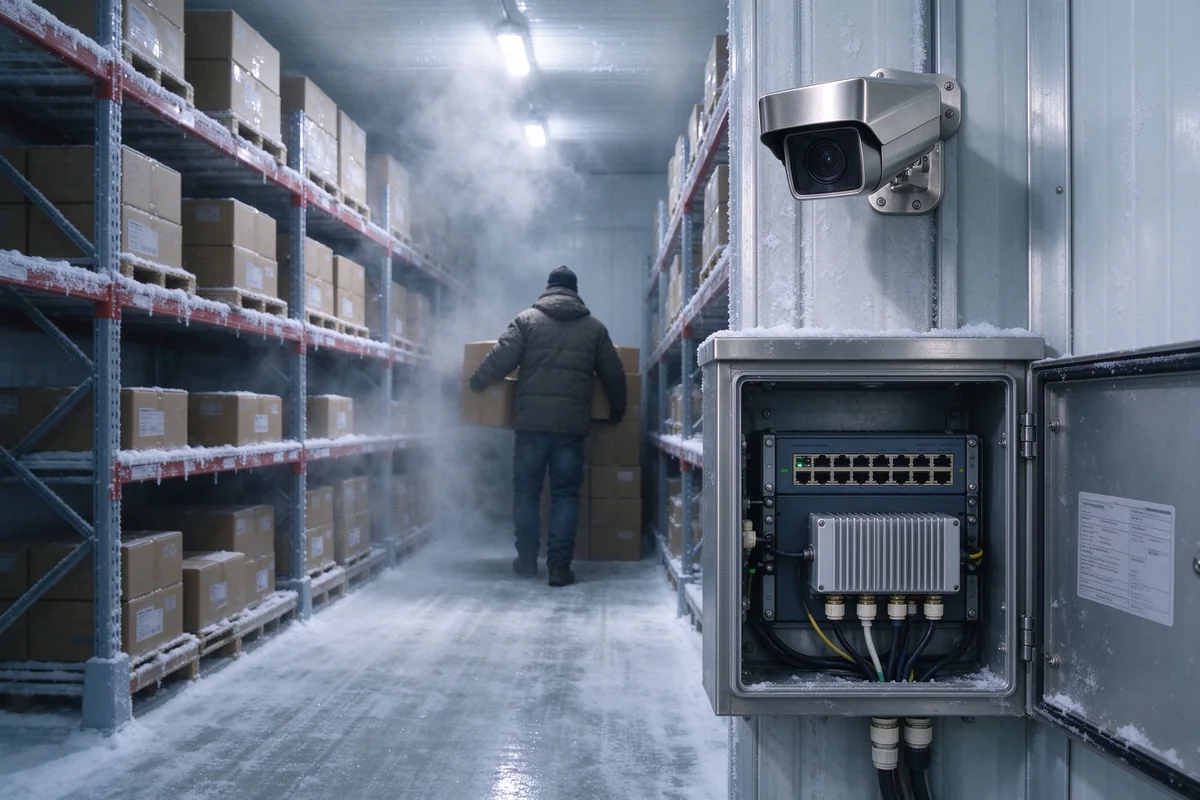
A cold-storage operator wanted cameras inside freezer rooms at −25 °C but could not put electronics there. The design kept PoE switches in the warm corridor and ran hardened cabling to the camera positions.
Read the case →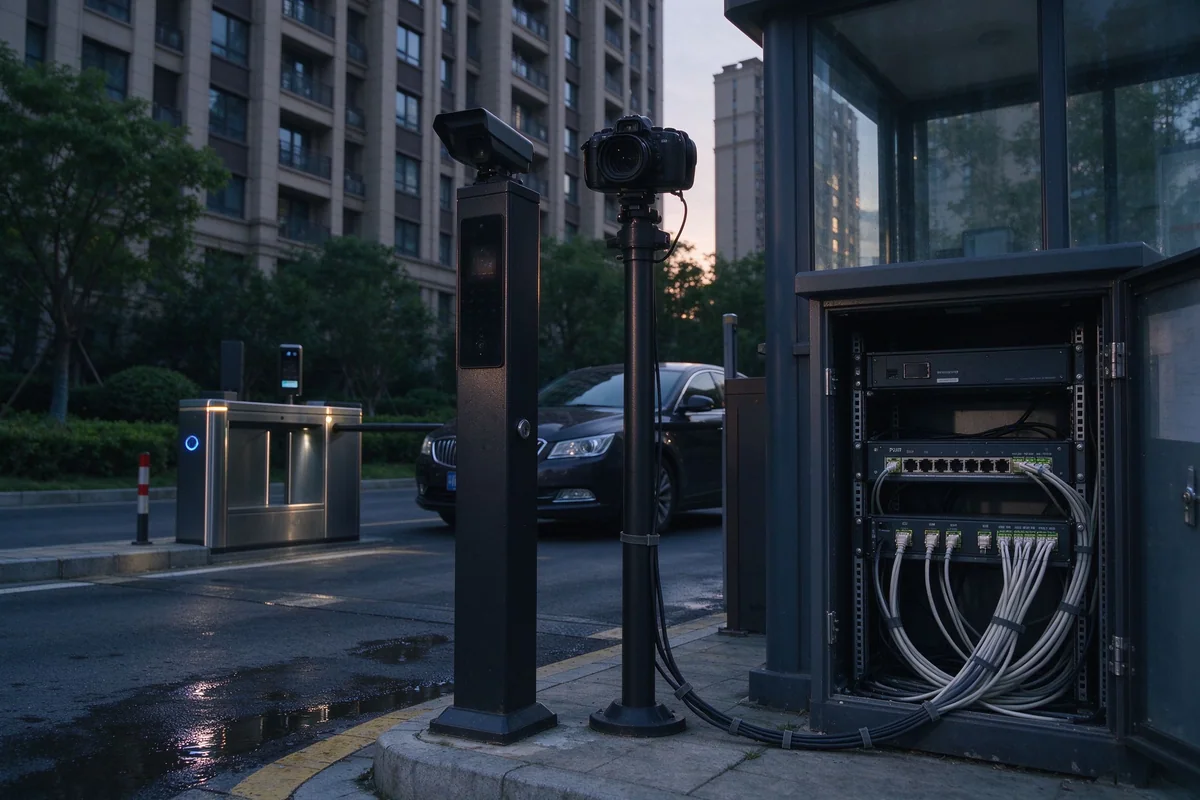
A gated estate with six blocks needed 64 cameras, gate intercoms and barrier control, using a fibre backbone between blocks and existing coax where new cable was impossible.
Read the case →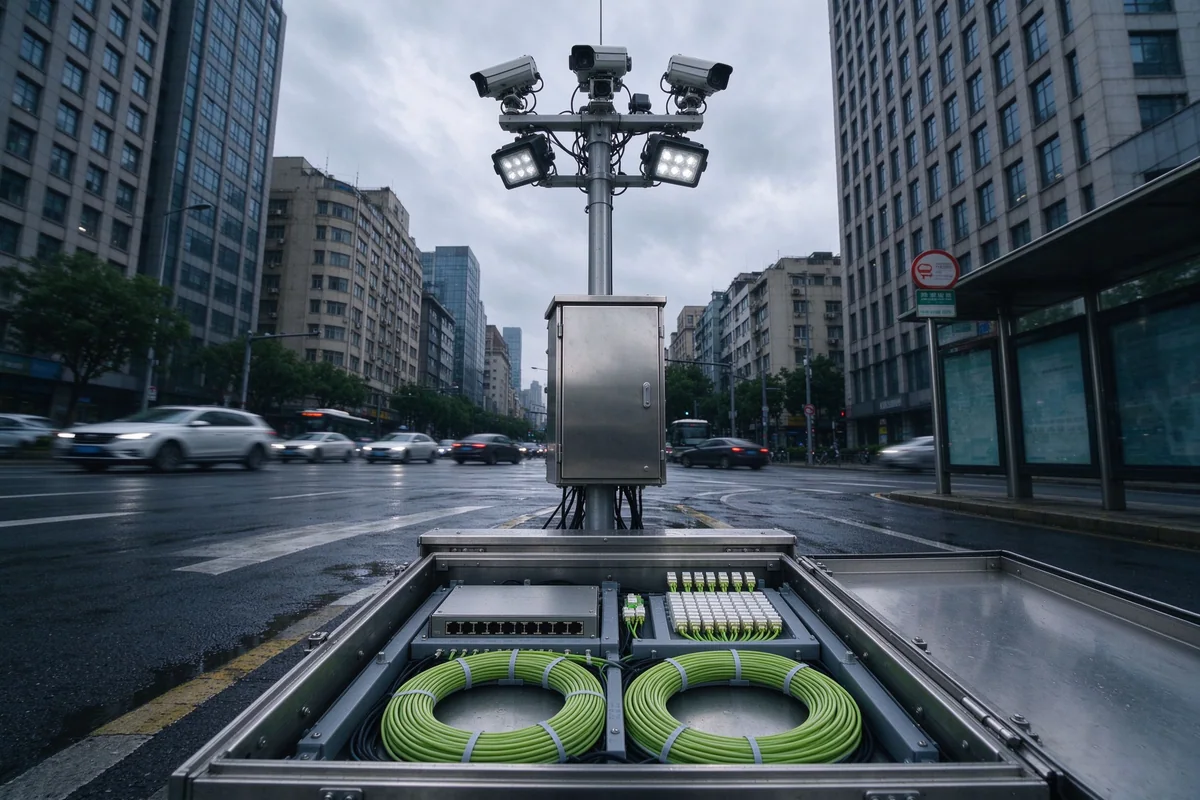
A district ran 120 cameras from a mix of small unmanaged switches, and the recorder room could not tell which camera had failed. Fourteen intersection cabinets now carry the PoE, two aggregation switches feed the recorders over 10G, and a power budget per port makes an outage traceable.
Read the case →Hotels, offices and retail sites where one managed platform carries guest Wi-Fi, CCTV, access control and the POS network.
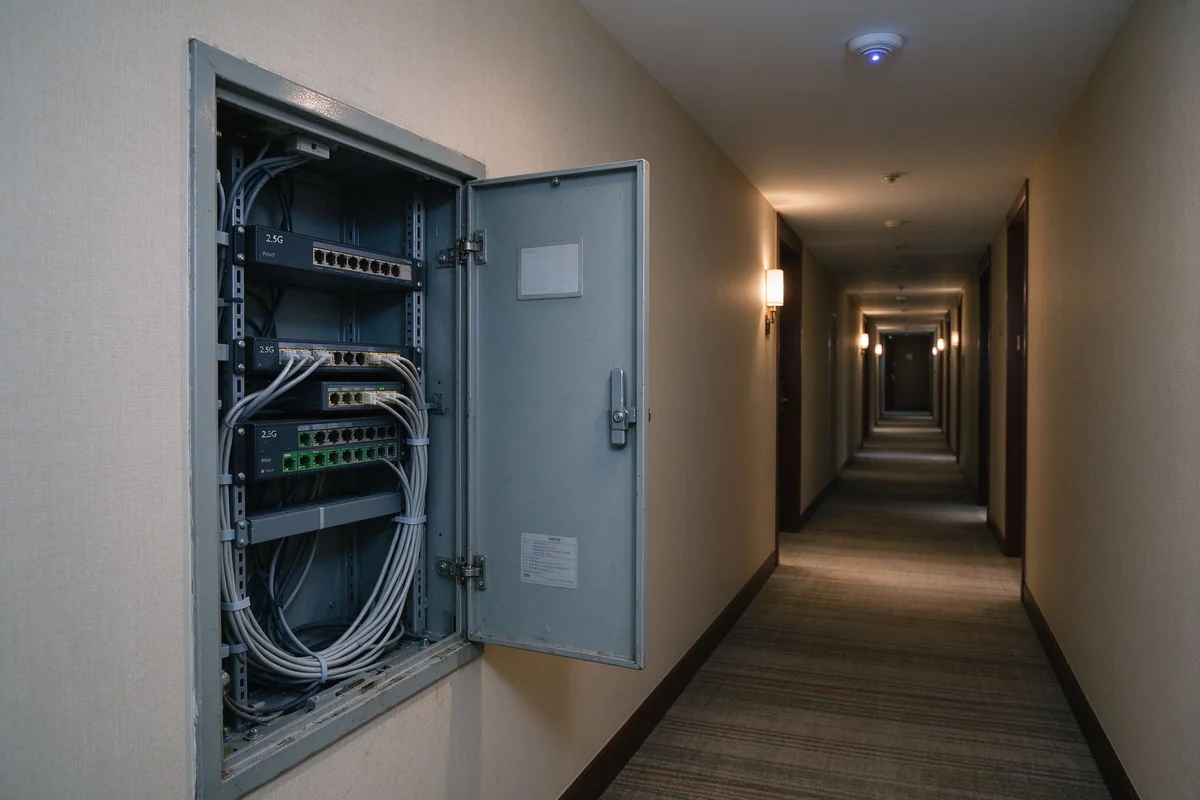
A city hotel had 180 rooms on a 100 Mbps Wi-Fi 4 system and one copper riser per wing. The refresh added PoE access switches on each floor, 2.5G links to the new access points, and a 10G riser between the two wings.
Read the case →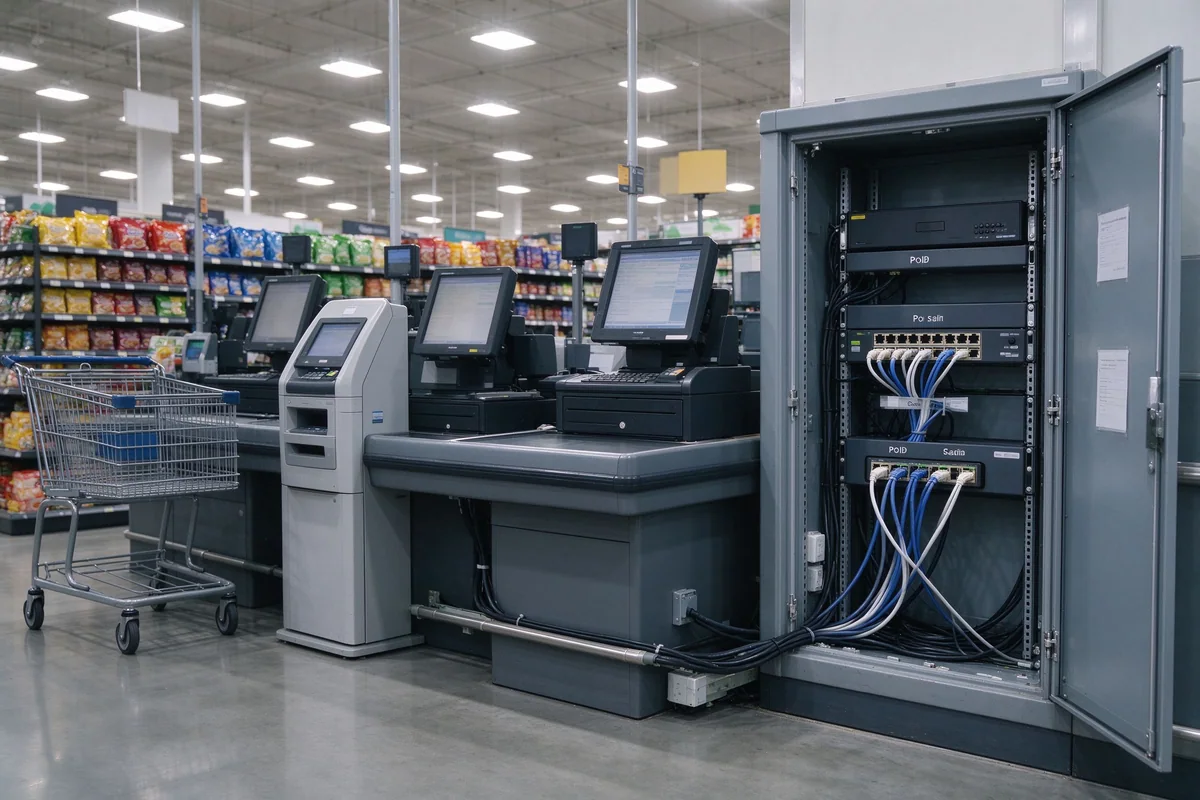
A retail chain with 34 stores was running a different unmanaged switch in almost every shop. The standard design put one managed L2 switch behind each POS network and aggregated the flagships at head office.
Read the case →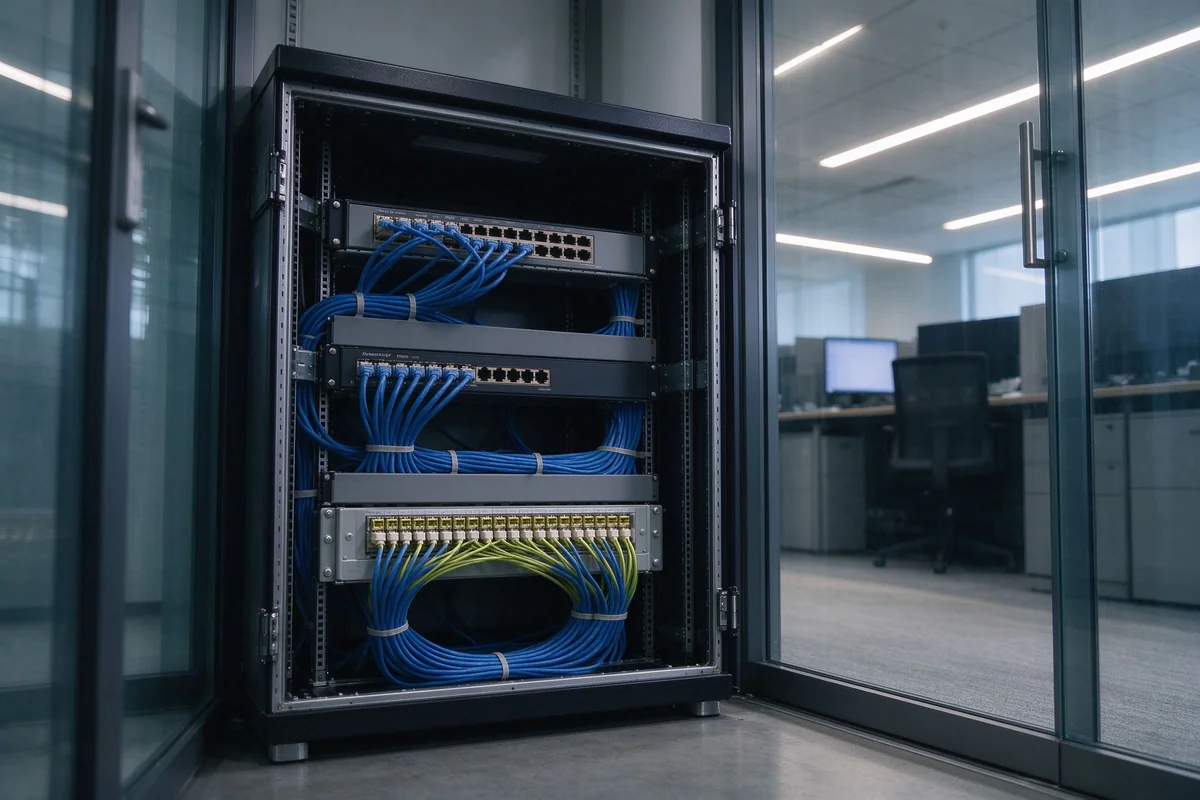
The tower had four separate networks: tenant data, access control, lift intercom and CCTV, each with its own small switches in the riser. They now share one managed network per floor, with a VLAN per tenant and the building systems kept apart from tenant traffic.
Read the case →Campuses and schools where classrooms, labs, exam rooms and dormitory traffic are separated by VLAN and the backbone has to carry them all.
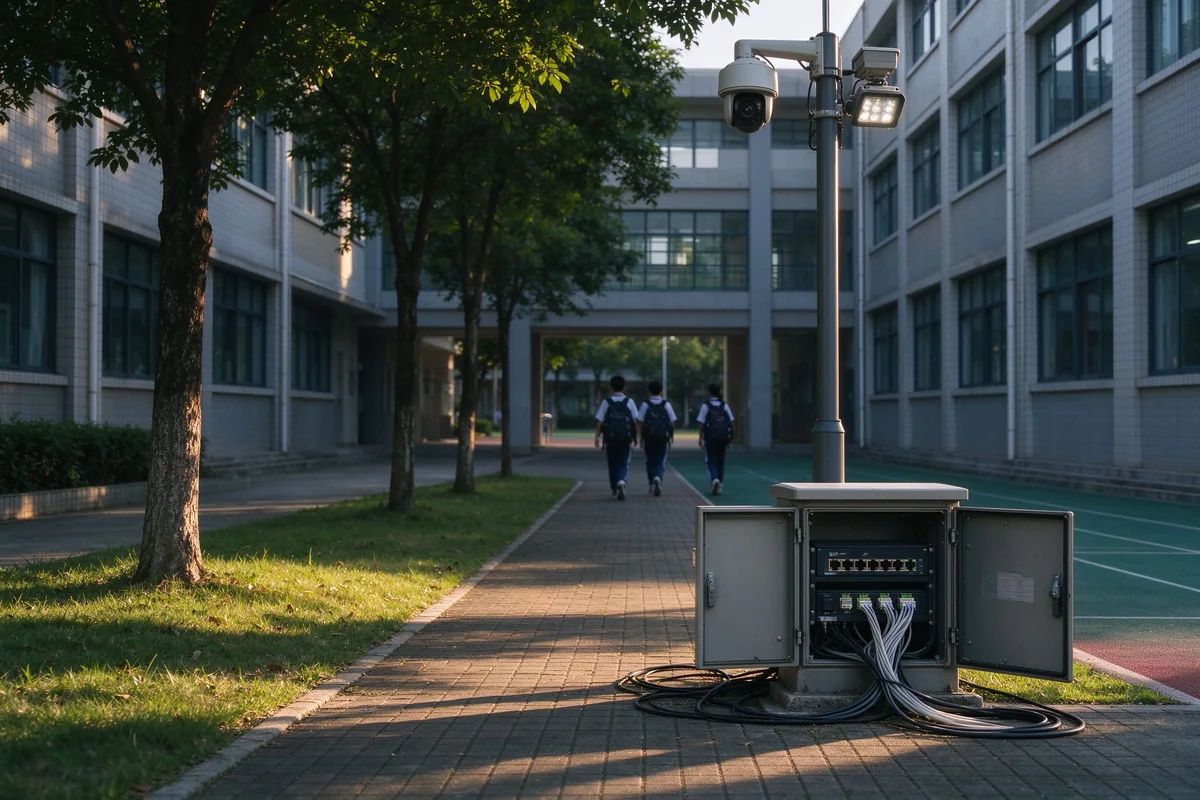
A security integrator needed to replace a mixed-brand camera network on a two-building campus without re-cabling. The design split the PoE load across 24-port L2 PoE switches per building, aggregated them over 2.5G, and sized the budget before ordering.
Read the case →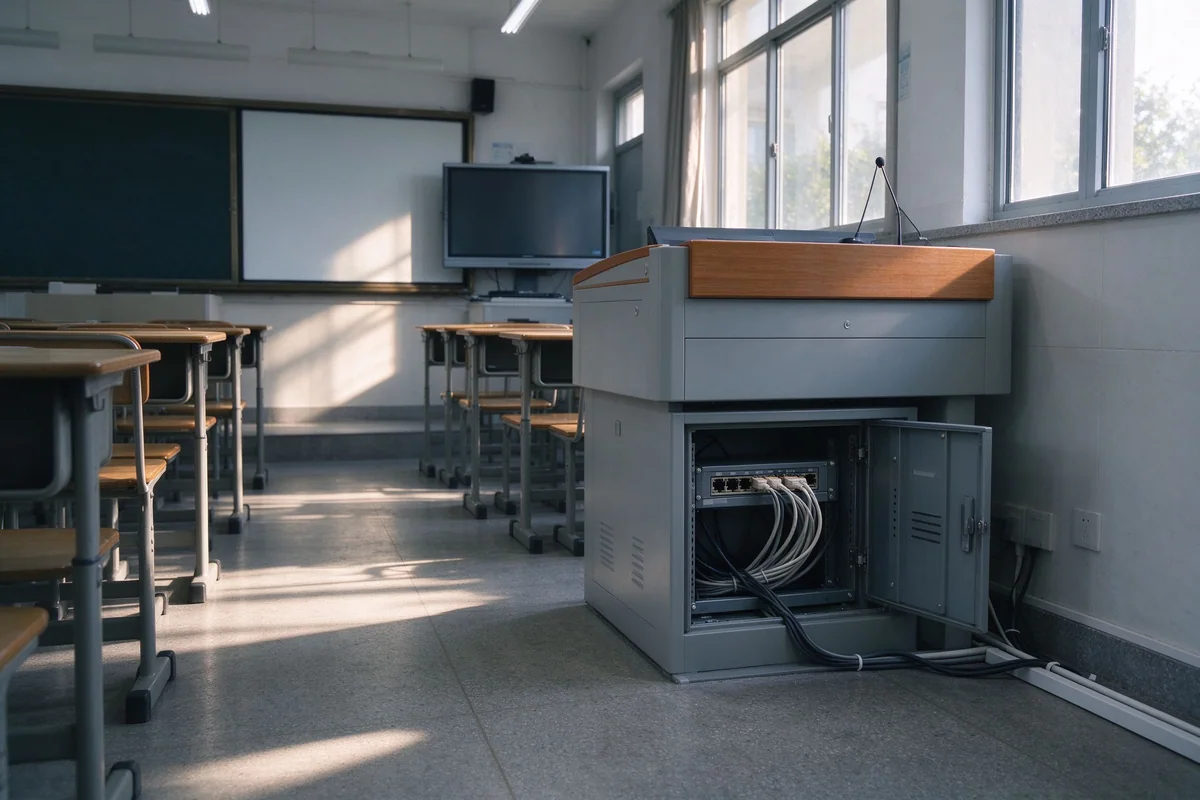
Four buildings shared one flat network, so an exam room sat on the same broadcast domain as the canteen tills and the staff Wi-Fi. Building switches and floor PoE now give each group its own VLAN, with the exam room cut over by schedule.
Read the case →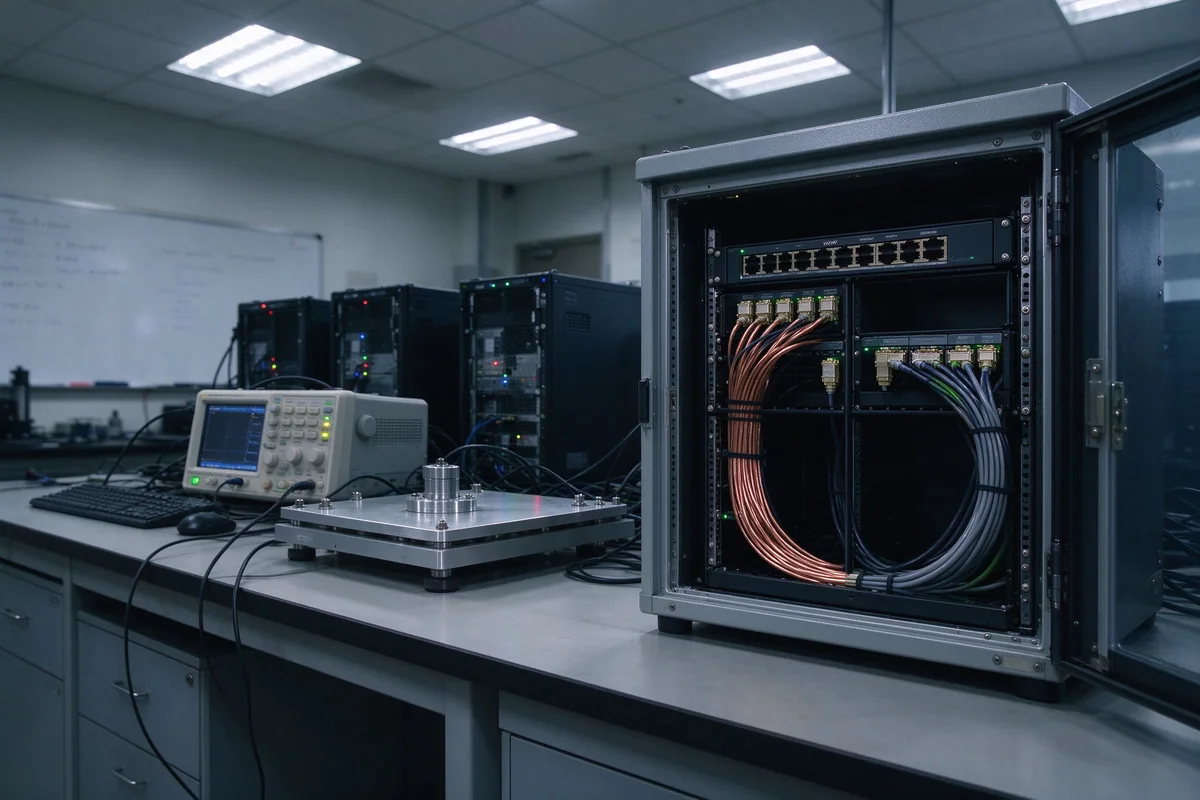
Three lab groups were sharing a gigabit link, and a dataset transfer that used to run overnight now finishes inside a working session. The building splits 10G for instruments from 2.5G for workstations and keeps each lab on its own VLAN.
Read the case →Wards, imaging suites and clinics where clinical and guest traffic cannot mix and bedside devices need power at the point of use.
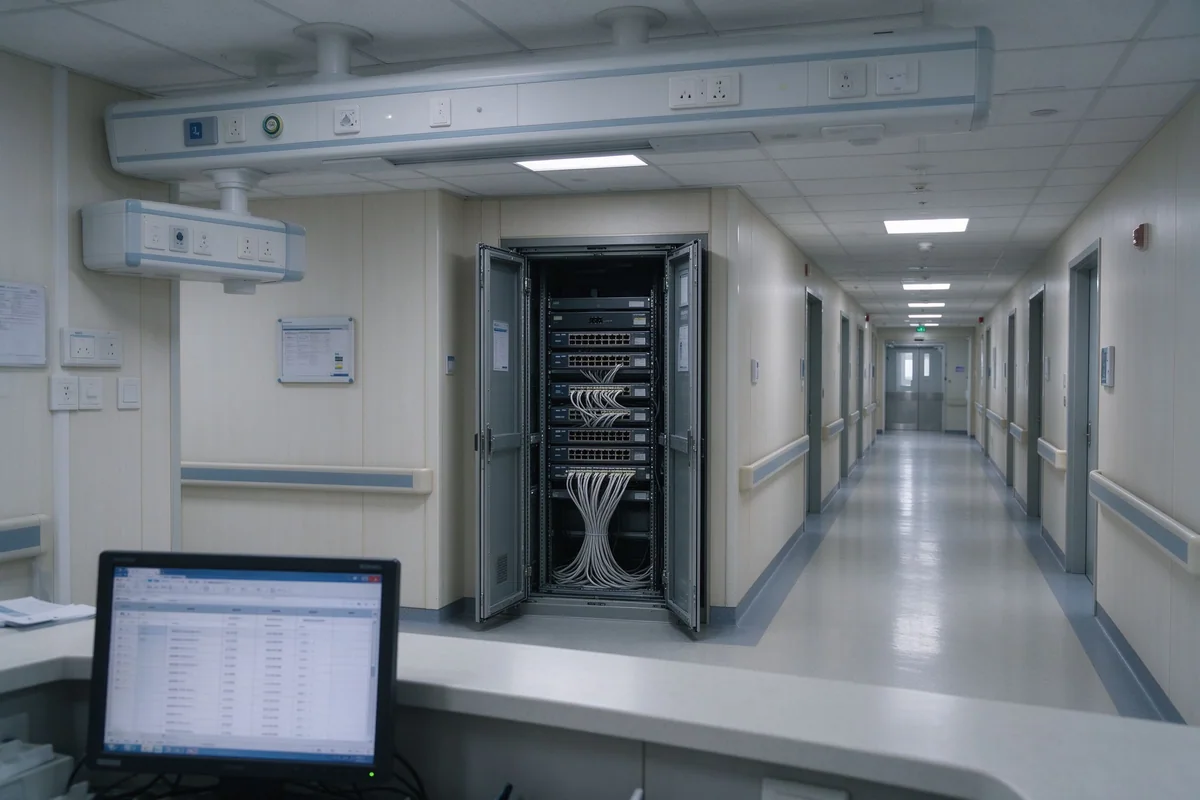
A private hospital needed bedside device connectivity, nurse-station PoE and imaging viewers on the same floor, with clinical and guest traffic that must never mix.
Read the case →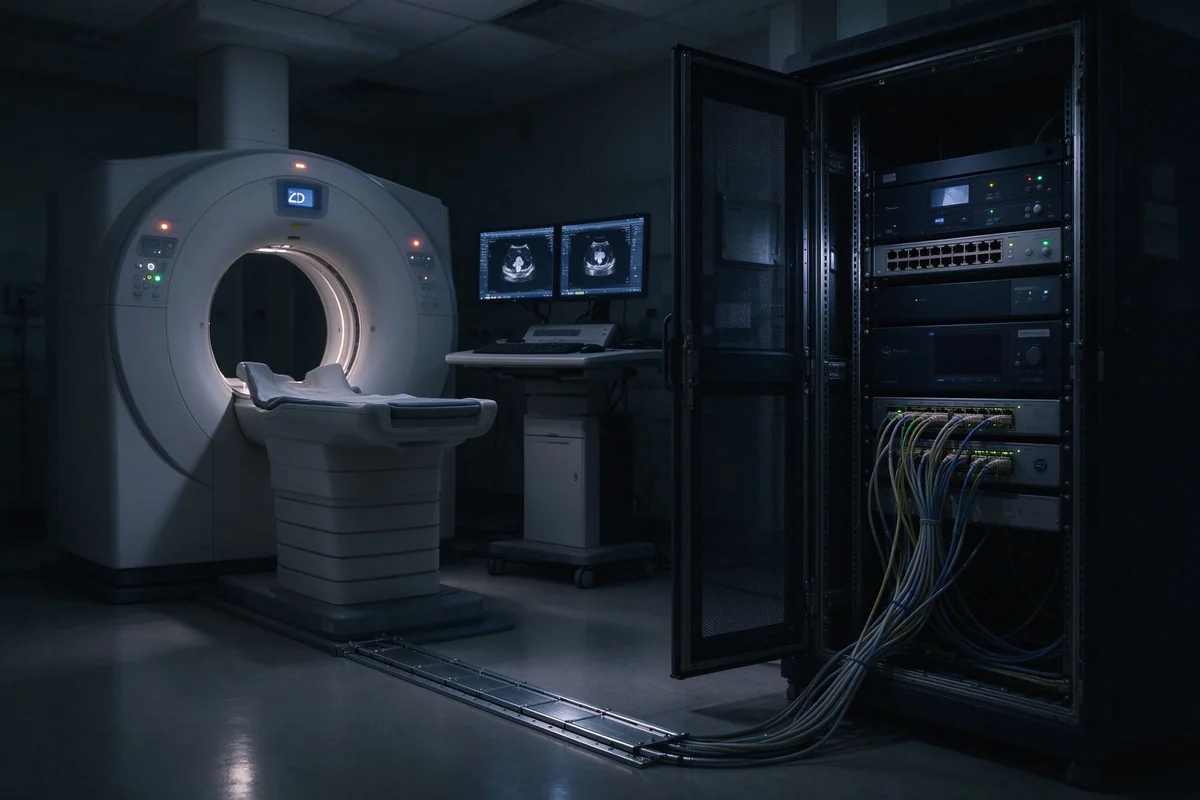
CT and MR studies were crossing the same switch as the suite cameras and the radiologists' reporting link, and a large study slowed the reading room. The suite now has 10G to the archive, PoE for its cameras and doors, and a reporting path that does not share the clinical VLAN.
Read the case →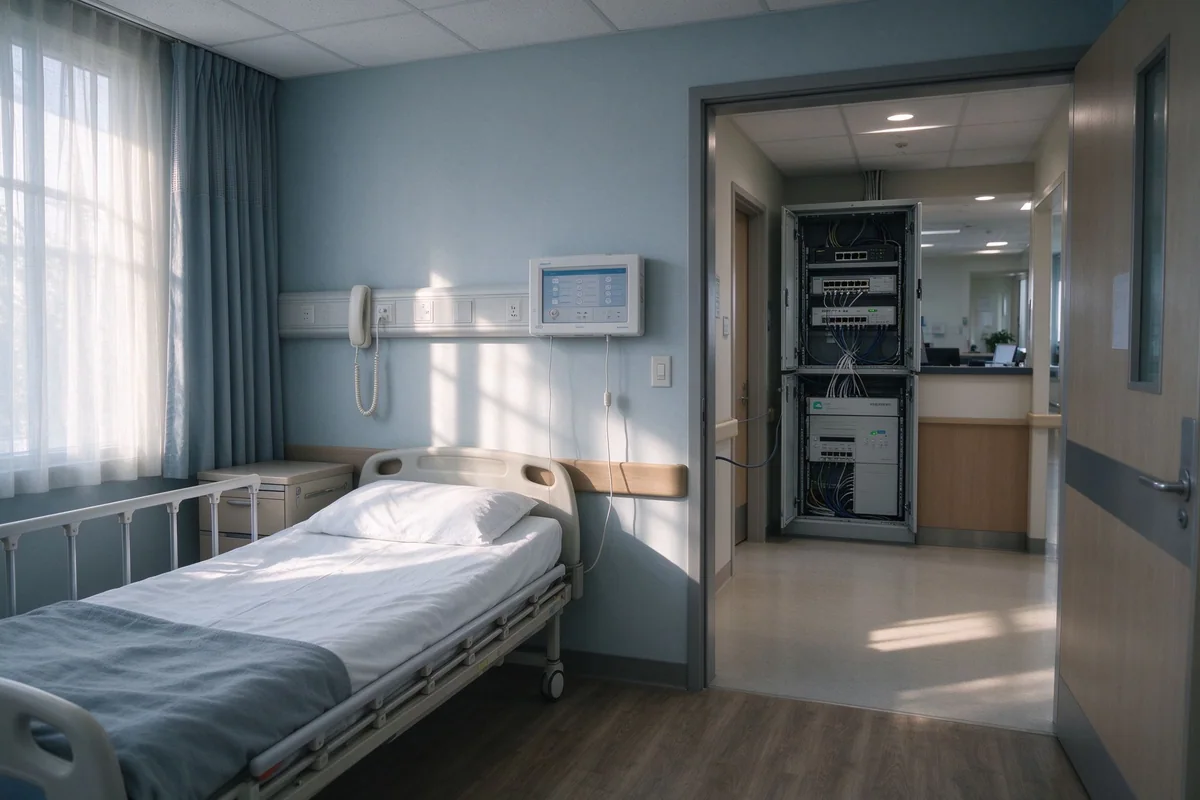
Bedside call units, staff tablets and door control in a ninety-bed home were sharing a network where a tablet update could delay a call bell. PoE per wing now powers the bedside units, and the alarm traffic has priority over everything on the same switch.
Read the case →Greenhouses, livestock sheds and grain sites where humidity, dust and distance decide the enclosure, the cabling and the uplink.
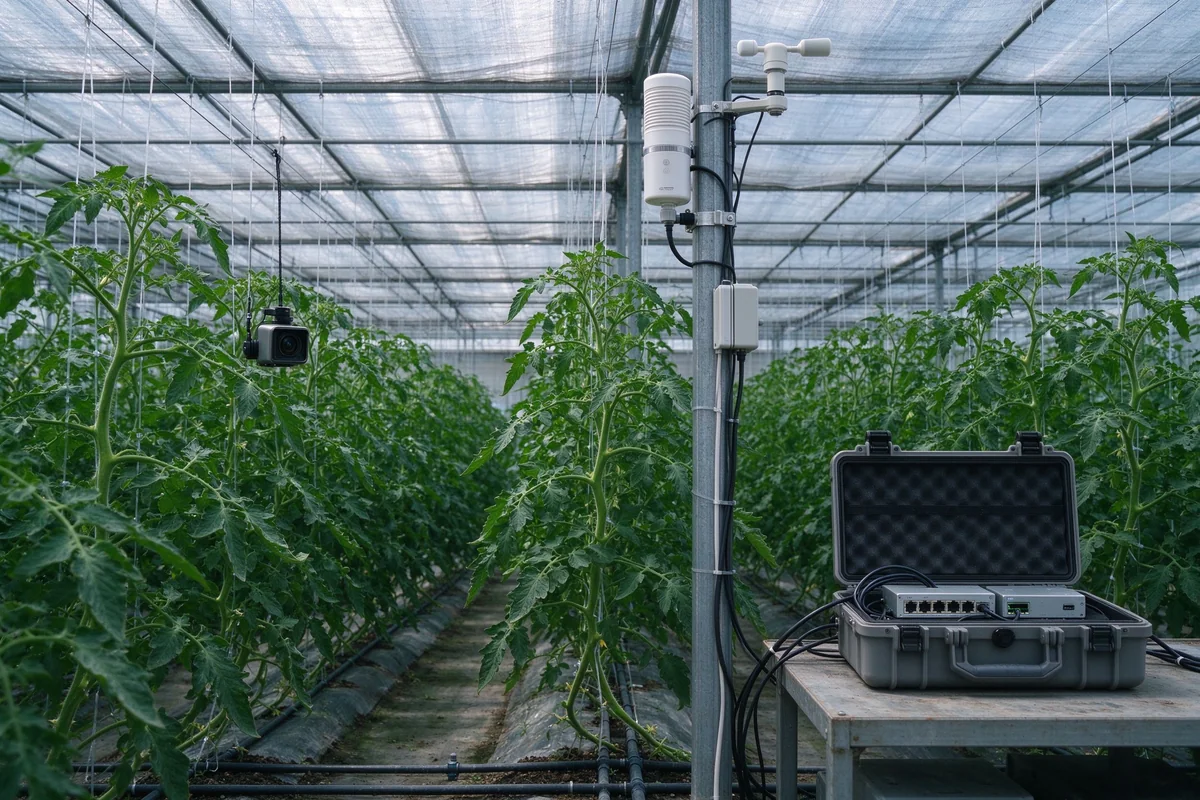
Each greenhouse had its own climate computer with a serial link and a camera on a separate recorder. One PoE switch per house now carries the climate gateway, the sensors and the crop camera, and a collector joins the six houses over fibre to the office.
Read the case →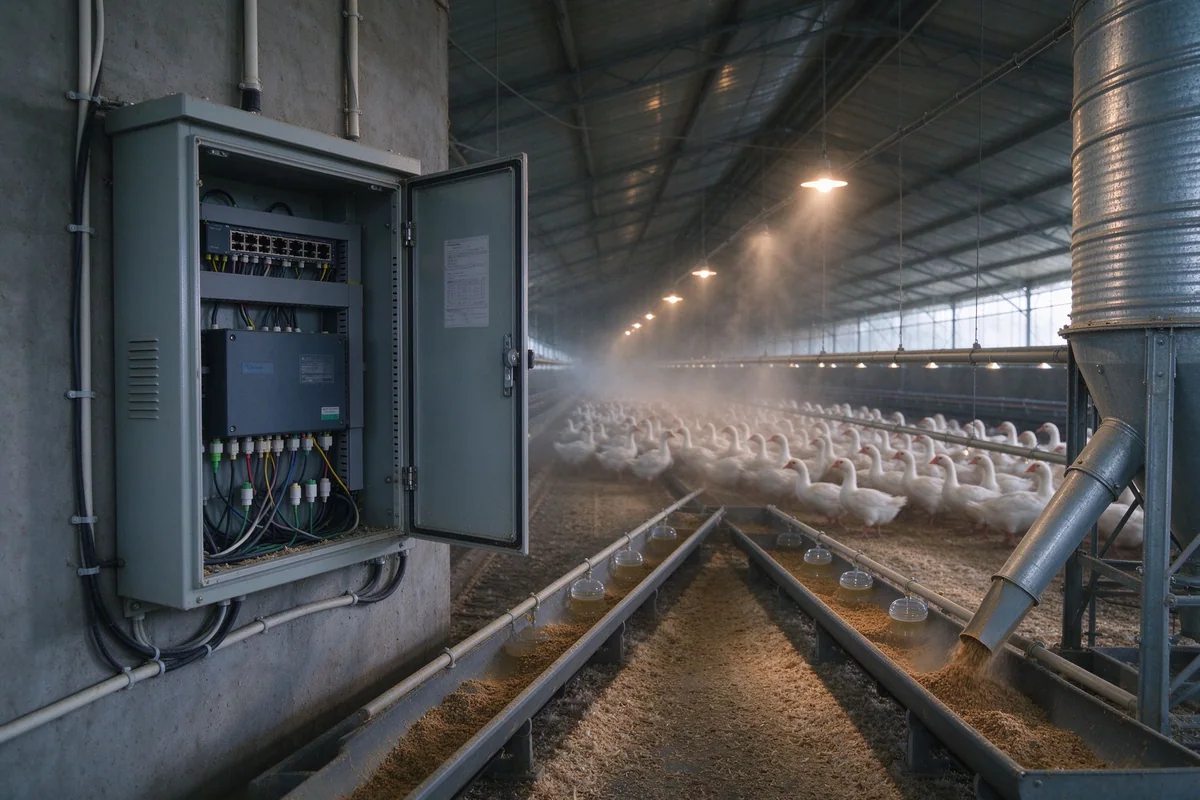
Dust and ammonia in the sheds were killing office-grade switches inside a year. Each shed now has one industrial PoE switch in a sealed cabinet, carrying the feed and climate controllers, the camera and the alarm link.
Read the case →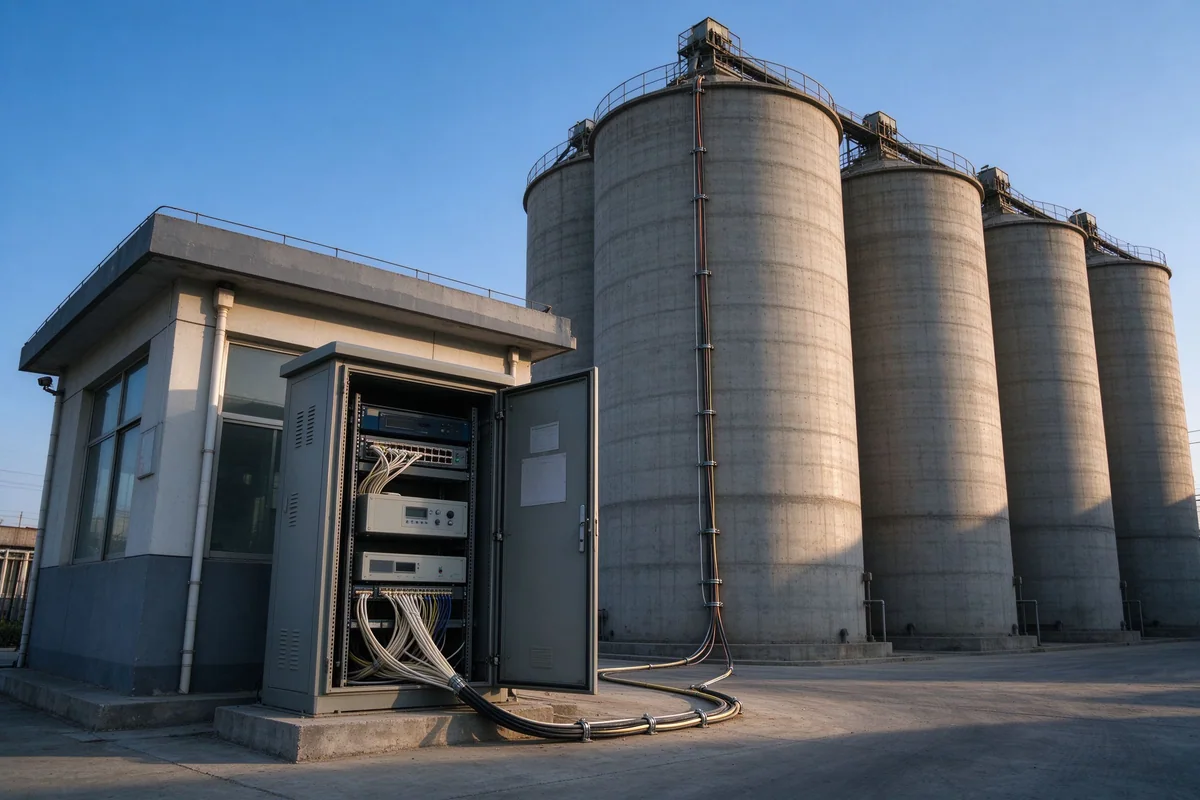
Temperature probes in twelve silos were polled by hand, and the weighbridge shared a switch with the office. A fibre fan-out and 2.5G aggregation now read every silo on a schedule, with the weighbridge on its own segment.
Read the case →

 English
 Español
 Français
 Deutsch
 Italiano
 Português
 العربية
 Русский
 日本語